
 After the prayers had been said
and the motions had been made;
after the rulings had been dispensed
and the speeches had been delivered;
after the instructions had been given
and the buttons had been pushed;
after the votes had been tallied
and the results announced;
after the passion
and the decent order;
after . . .
. . . the assembly sat in quiet contemplation,
pondering who had won
and who had lost,
considering what was gained
and what the cost.
My heart sundered the silence,
breaking, softly breaking,
for those, who by official action,
had been denied their full humanity,
and, whose gifts, but that same official action,
had been rejected.
A tear slid down my check,
coming to rest in tangled whiskers.
A single tear
shed for those beloved of God
who the vote would exclude
and for those
who out of fear
or prejudice
or lack of love
or for whatever reason
sought to shut doors –
and build walls –
and keep out –
and settle once and for all;
and in so doing
lost an opportunity
to join in
God’s amazing,
welcoming,
including,
affirming,
door-opening,
wall-smashing,
never-ending
love.
This was written after the Presbyterian Church (U.S.A.)’s 208th General Assembly (1996). That assembly met in Albuquerque, New Mexico and took action to recommend a change the church’s constitution that would ban LGBTQ individuals from serving in ordained offices. I attended that assembly as an observer. As the United Methodist Church meets to wrestle with similar questions, I remembered this piece and choose to share it.
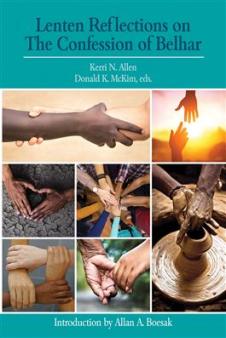 “After his resurrection, Jesus commissioned the creation of a family originating not from a common human ancestor, but a divine calling. This family transcends national borders, cultures, and languages. Jesus called for disciples to be made of all nations–indeed, as Belhar says, the ‘entire human family.’ That does not mean that we reject or erase our differences, for a family made from all nations will necessarily have variety. We can, however, reject the lie that such variety cancels out unity. The vision, after all, has always been that this family would be different.”
 Along the Graybeard Trail